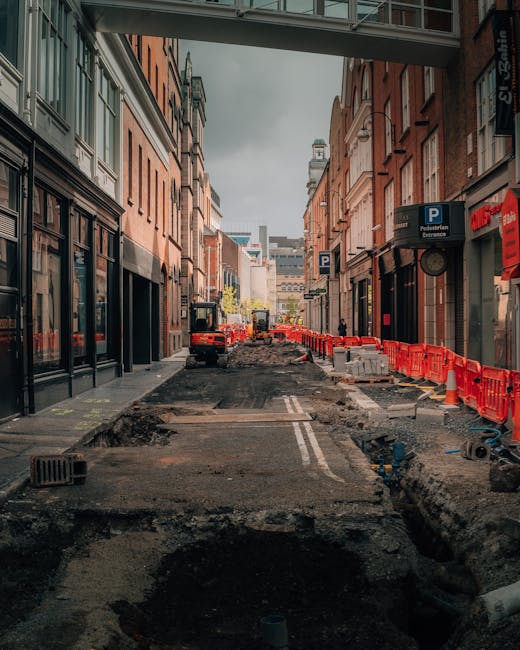
Wardour Street removals access tips for narrow lanes

Moving on Wardour Street can be a bit of a juggling act. The street is busy, the lanes nearby can feel tighter than they look on a map, and one badly parked van can throw the whole plan off. If you are trying to work out the best Wardour Street removals access tips for narrow lanes, the good news is that with the right planning it is very manageable. The trick is not just having a van and a couple of strong backs. It is knowing where access becomes awkward, how to stage loading safely, and how to avoid the classic mistakes that turn a short move into a long morning.
This guide walks through the practical side of moving in Soho and the surrounding streets: how narrow lanes affect access, what to check before move day, which vehicle choices make sense, and how to keep everything calm when the street gets busy at 8:30 a.m. or, frankly, when it already feels like half of London is trying to pass through at once. You will also find a checklist, a comparison table, and answers to the questions people usually ask when the move is getting close.
Why Wardour Street removals access tips for narrow lanes Matters
Wardour Street sits in a part of London where access is often the real challenge, not the packing. Narrow side lanes, loading restrictions, pedestrian traffic, delivery vehicles, and short stopping windows can all affect the move. If you do not plan for those realities, you can end up carrying boxes much further than expected or waiting around while someone tries to clear space.
That is why access planning matters so much. A removal in a tight Soho street is less about brute force and more about timing, vehicle fit, and keeping the route simple. Even a move that looks straightforward can become messy if the van is too large for the turning point, if the bay is already occupied, or if the building entrance is hidden behind a narrow passage that only one person can pass through at a time.
To be fair, the area does not forgive guesswork. A careful plan makes the day feel smoother, keeps neighbours happier, and helps protect furniture from knocks and scrapes. It also helps the crew stay safe, which matters more than people sometimes realise when pavements are crowded and the curb space is tight.
How Wardour Street removals access tips for narrow lanes Works
Good access planning starts before the van arrives. In practice, it means checking the building entrance, the width of the lane, any height restrictions, the distance from the vehicle to the front door, and whether a short-term loading spot is actually usable at the time you need it. The point is to reduce surprises.
For narrow-lane moves, the process usually works like this:
- Assess the access route from the nearest practical stopping point to the property entrance.
- Choose the right vehicle size rather than assuming bigger is always better.
- Plan the loading order so the items needed first are easiest to reach.
- Set a realistic time window for loading and unloading, including delays.
- Use protection and handling equipment to make the walk between van and door safer.
When access is tight, the move often works best as a staged operation. The vehicle may stop a short distance away, the team carries items in smaller loads, and the route into the property is kept clear. Sometimes that means one person acts as a spotter at the kerb while another manages boxes inside. Small detail, big difference.
If the move is residential, a service such as home moves can be a practical fit because the planning tends to focus on the route, handling, and timing rather than just the distance travelled. For people who need a more flexible moving setup, man and van options can also suit tight-access jobs where a full-size vehicle would be unnecessary.
Key Benefits and Practical Advantages
When you get the access right, everything else feels easier. The boxes move faster, the risk of damage drops, and the job becomes more predictable. That is especially valuable on streets like Wardour Street, where a few minutes lost to poor positioning can ripple through the rest of the day.
- Less carrying distance: A well-chosen stopping point saves energy and reduces the chance of dropping items.
- Lower damage risk: Shorter, clearer routes mean fewer corners, fewer bumps, and fewer awkward turns with bulky furniture.
- Better time control: You spend less time reworking the plan on the fly.
- Improved safety: Clear access reduces the chance of trips, slips, and strained lifting.
- Less stress for everyone: Honestly, this matters more than people admit on move day.
There is also a money angle, even if nobody loves talking about it. Time lost to poor access can mean a longer job and a less efficient move. If you are comparing options, it is worth checking pricing and quotes so you understand how access issues may affect the estimate. Some moves are simple. Others need a little more thought. Better to know before the van is already outside.
Who This Is For and When It Makes Sense
This advice is useful if you are moving from a flat above a shop, a small office, a studio apartment, or anywhere near the busier lanes off Wardour Street. It is also relevant if your property has limited frontage, shared entrances, basement steps, or an awkward turn from the road into the building entrance.
It makes sense for:
- residents moving in or out of Soho and surrounding central London streets;
- small businesses relocating equipment or stock;
- landlords arranging a quick turnover between tenancies;
- people moving larger furniture through a narrow access route;
- anyone who wants a practical plan rather than a last-minute scramble.
If you are moving a home, a specialist like house removals support can be useful because it is built around handling domestic items carefully through tight spaces. If it is a lighter move, man with van removal can be a more efficient fit. Not every move needs a full team and a large lorry. In fact, using too much vehicle for the street can make life harder.
Step-by-Step Guidance
Here is a clear process you can follow when planning a Wardour Street move with narrow lane access.
1. Measure the access properly
Do not rely only on memory or a quick look from the pavement. Check the width of the lane, the height of any overhead obstacles, door swings, stair width, and where the vehicle can reasonably stop. If you can, do a walk-through at the same time of day as your move. Morning traffic feels very different from late afternoon. Not a surprise, but it catches people out.
2. Decide on the vehicle size early
A smaller vehicle can be easier to position, especially where turning space is limited. If the job is compact, a removal van may be more suitable than a larger truck. Bigger vehicles can work, but only if the street allows them to stop safely without blocking everything behind them.
3. Identify the best loading point
Sometimes the best loading point is not directly outside the front door. It may be a short walk away on a side street or a spot with better kerb access. The goal is a route that is safe, short enough to be efficient, and realistic for the size of the furniture.
4. Pack for access, not just for storage
Put the first-needed items near the door or near the tail end of the load. Keep fragile pieces protected and separate. If the team has to dig through boxes to get to the kettle, the morning gets longer fast. The same goes for important documents, keys, and chargers.
5. Protect the route through the building
Use covers, blankets, or corner protection where appropriate. Tight hallways and narrow stair landings can scratch walls before anyone even notices. A minute of care here often saves an annoying repair later.
6. Keep communication simple
One person should make the access decisions on the day. Too many voices can slow things down. A quick message such as "park here, use this door, avoid that corner" is usually enough.
7. Build in a buffer
In central London, buffers are not a luxury. They are survival. If access is awkward, allow extra time. Five or ten minutes can disappear without warning, especially if another vehicle is in the way or a delivery arrives at the wrong moment.
Expert Tips for Better Results
Over time, a few habits make the biggest difference. They are not glamorous, but they work.
- Ask about the narrowest point, not just the address. The building entrance may be fine while the route inside is the real problem.
- Use the smallest practical vehicle. You want enough space, but not so much that manoeuvring becomes a headache.
- Keep fragile items separate from bulky furniture. That avoids the classic "where did the mirror go?" panic.
- Pre-label boxes by room and priority. It helps with faster unloading when access is limited.
- Share photos of the street and entrance. A few pictures often say more than a long explanation.
- Plan for pedestrians. On Wardour Street, people are constantly moving. Delivery riders, shoppers, office workers, tourists. You get the picture.
If you are arranging a commercial move, it may be worth looking at office removals or broader commercial moves support. Office items are often awkward in a different way: monitors, under-desk pedestals, filing cabinets, and those funny little things nobody remembers until the day before, like printer cables that have no obvious home.
Expert summary: The smartest narrow-lane move is usually the one that keeps the vehicle small, the route short, the loading sequence clear, and the crew talking to each other properly. Simple, yes. Easy to ignore, also yes.
Common Mistakes to Avoid
Most access problems come from a small set of avoidable errors. The frustrating thing is that they are all fairly ordinary.
- Assuming the van can stop right outside. In busy central streets, that is often the first thing that goes wrong.
- Choosing a vehicle before checking the lane. The lane should shape the vehicle choice, not the other way round.
- Packing items in random order. This creates chaos when access is limited and time is tight.
- Not warning neighbours or building staff. You do not need a big announcement, just enough courtesy to avoid friction.
- Forgetting about staircases and lift size. The outside might look manageable while the inside turns out to be the real bottleneck.
- Underestimating the time needed to carry items. A short street on the map can still mean a surprisingly long carry.
One of the most common issues is overconfidence. Truth be told, people often think "it will be fine" until the van arrives and there is a scooter parked where the plan was supposed to be. Happens more than anyone likes to admit.
Tools, Resources and Recommendations
You do not need fancy equipment, but the right basics help a lot. Think practical rather than impressive.
- Measuring tape: Useful for doorways, stair width, and furniture dimensions.
- Furniture blankets and covers: Good for protecting pieces during short carries and tight turns.
- Straps and securing gear: Important for keeping items stable in transit.
- Box labels: Simple, but they save time on unloading.
- Phone photos or a quick site plan: Handy for showing access points and awkward corners.
- Gloves and sturdy footwear: Because shoe choices become very relevant when carrying a sofa across a damp kerb at 7 a.m.
For added peace of mind, many customers also want reassurance on handling, liability, and process. That is where pages like insurance and safety and the health and safety policy are helpful. If you are comparing providers, it is also sensible to review the removal company approach and check whether the service style matches your access needs.
If your move involves furniture only, a furniture pick-up may be enough. That can be particularly useful for a single bulky item that needs careful handling through a tight entrance. And if you are still at the stage of narrowing down a provider, removals near me can be a useful starting point, provided you still check the access fit rather than choosing purely on proximity.
Law, Compliance, Standards and Best Practice
For a move on Wardour Street, the main compliance issues are usually practical rather than dramatic: parking and loading rules, safe lifting, pedestrian safety, and respect for building rules. Local restrictions can change, so the exact stopping options and loading windows should always be checked in advance rather than assumed. That is the safest way to keep things on the right side of the day.
Best practice also means keeping access clear, avoiding blocking fire exits, and making sure heavy items are moved with enough support. In shared buildings, it is smart to follow any management instructions on lifts, corridors, and move-in times. If you are handling a business relocation, the expectations can be a bit more formal, which is why services such as office relocation services often place extra emphasis on planning and coordination.
It is also sensible to check service terms before booking. Pages like terms and conditions and payment and security are part of the trust picture, even if they are not the most exciting read in the world. Nobody opens a removals site for the thrill of terms and conditions, let's face it, but they do matter.
Options, Methods, or Comparison Table
The right moving method depends on how tight the access is, how much you are moving, and whether speed or simplicity matters most. Here is a straightforward comparison.
| Option | Best for | Pros | Trade-offs |
|---|---|---|---|
| Small removal van | Compact homes, lighter loads, narrow lanes | Easier to park, simpler to manoeuvre, often quicker around tight streets | Less volume, may need more careful loading |
| Man and van | Smaller moves, single-room moves, flexible access | Practical, adaptable, often efficient for short-notice jobs | May require more trips if volume is higher |
| Full removal service | Larger households or more delicate relocations | More support, better for multiple bulky items, often less effort for the customer | Can be unnecessary if access and volume are both small |
| Office-focused move | Business items, desks, IT equipment, records | Structured planning, clearer coordination, better for staged access | Needs stronger scheduling and building communication |
The best option is the one that fits the street as well as the property. A large vehicle may seem efficient on paper, but if it forces a long carry or delays parking, the job can actually take longer.
Case Study or Real-World Example
A common Soho move might look like this. A two-bedroom flat just off Wardour Street needs to be emptied before the afternoon. The street outside is busy, the building entrance sits down a narrow passage, and there is no guarantee of a long parking window directly out front. Rather than forcing a large van into the nearest available space, the move is planned around a smaller vehicle and a short carry from a safer stopping point.
The packing is organised so the most needed items are easy to reach. Softer items are loaded first, awkward furniture is protected, and the team agrees on who will guide the van and who will manage the entrance. The result is not magic. It is just less faff. Fewer blocked paths. Fewer "hang on a second" moments. A calmer unload at the other end.
That kind of move is often where a flexible service like man and van removals makes a lot of sense. It gives enough support without overwhelming the street or the building. If there are stairs, awkward corners, or a few bulky items, the extra care is noticeable straight away.
Practical Checklist
Use this checklist before move day. It keeps the plan grounded and saves a lot of mental noise.
- Confirm the exact property access point.
- Measure narrow doors, stairs, and any tight turns.
- Check whether the van can legally and safely stop nearby.
- Decide whether a smaller vehicle would be easier.
- Label boxes by room and priority.
- Protect furniture with blankets or covers.
- Tell the building manager or neighbours if needed.
- Keep walkways, fire exits, and entrances clear.
- Set a realistic time buffer for parking and loading.
- Have keys, paperwork, and phone contacts ready.
- Review the provider's safety and payment information.
- Make sure the crew knows the route before arrival.
If you are moving locally and want a more hands-on option, man with a van can be a sensible middle ground. It is flexible enough for tricky access but still straightforward for smaller jobs. And if you want to browse the broader range of services, the main removals page is a useful place to start.
Conclusion
Wardour Street removals are rarely about simply getting from A to B. They are about working with the street you have, not the one you wish you had. Narrow lanes, busy foot traffic, limited stopping space, and awkward building entrances all reward careful planning. Once you choose the right vehicle, map the route, and keep the load sequence sensible, the whole move becomes much more manageable.
The real win is calm. Fewer delays. Less carrying. Less damage. And a move that feels controlled, even if the street outside is doing its usual London thing.
Get a free quote today and see how much you can save.
If you are preparing a move in Soho, take a breath, check the access properly, and keep the plan simple. A well-organised move has a quiet kind of confidence about it, and that usually carries you through.
Frequently Asked Questions
What should I check first for Wardour Street removals access?
Start with the narrowest part of the route: the street, the stop point, the entrance, and any internal stairways. If one of those is awkward, it can affect the whole move.
Is a small van better for narrow lanes near Wardour Street?
Usually, yes. A smaller van is often easier to position and can reduce the chance of blocking traffic or forcing a long carry. It is not always the answer, but it is often the practical one.
How far in advance should I plan access for a removals job?
As early as possible. A quick access check a few days before move day is far better than discovering a problem when the van has already arrived.
Can a man and van service handle difficult access?
Yes, many can. In fact, a flexible man and van setup is often well suited to tight streets and smaller moves because it is easier to adapt on the day.
What happens if the van cannot park directly outside?
The crew may need to use the closest safe stopping point and carry items a short distance. That is common in central London, so it is better to plan for it in advance.
Are there any special risks when moving through narrow lanes?
The main risks are damage to furniture, trips and slips, traffic issues, and delays caused by poor access. Clear planning and good communication reduce those risks a lot.
Should I measure my furniture before moving?
Yes, especially for large sofas, wardrobes, mirrors, and desks. A piece that fits in the room may still be awkward through the door or staircase.
Do office moves need different access planning from home moves?
They often do. Office moves usually involve more coordination, IT equipment, and building rules, which is why office removals and related planning are worth considering separately.
How do I know whether I need full removals or just transport help?
If you have a modest amount of furniture and the access is tight, a lighter option may be enough. If you have multiple bulky items or a more complex property, fuller support can save time and effort.
What if my building has stairs and no lift?
Then stair width, landing space, and item weight become especially important. You should mention that clearly when arranging the move so the right plan and staffing can be used.
Is it worth paying more for a better access plan?
Often, yes. A move that is planned well tends to be quicker, safer, and less stressful. That can be worth more than shaving a little off the upfront cost.
How do I avoid blocking pedestrians on Wardour Street?
Use the shortest sensible loading route, keep the pavement clear, and have one person watch the flow of people while items are moved. In a busy area, that little bit of awareness makes a huge difference.