Office Relocation Services in Soho
Moving an office in Soho is rarely a simple matter of packing boxes and hiring a van. This part of central London is busy, tightly packed, and full of character, with everything from creative agencies and fashion showrooms to professional practices, hospitality businesses, media teams, and flexible workspaces. If you are planning Office Relocation Services in Soho, you need a service that understands the pace of the area, the realities of local access, and the importance of keeping disruption to a minimum.
A well-run office move in Soho needs careful planning from the start. Buildings may have narrow entrances, lift restrictions, timed loading windows, or shared access with other occupants. Streets can be crowded throughout the day, and parking can be limited or controlled. That is why local experience matters so much. A team that regularly handles office removals in Soho will know how to work around these challenges while protecting your furniture, IT equipment, files, and business continuity.
Whether you are relocating a small studio, moving an entire floor of a commercial property, or shifting a growing team into a larger workspace nearby, the right support makes all the difference. From pre-move planning and packing to transport and setup, office relocation should feel organised, efficient, and manageable. Contact us today if you want a move designed around your business schedule and your Soho location.
Why Soho Office Moves Need a Local Approach
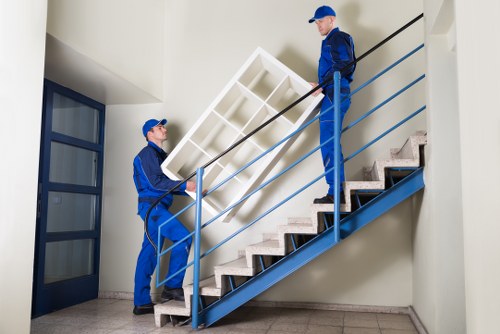
Soho has a unique mix of commercial spaces, older buildings, converted premises, shared offices, and modern workspace environments. That variety brings flexibility for businesses, but it also creates moving challenges that are very specific to the area. A local office removal team understands how to plan around building rules, delivery access, lift bookings, congestion, and the need to keep neighbours and other tenants happy.
In Soho, timing often matters as much as transport. Many businesses want to move outside peak working hours, at weekends, or in carefully staged phases so operations can continue with minimal interruption. A local team can help you choose the most practical move window, taking into account how busy nearby roads and surrounding streets are likely to be at different times of day.
Office relocation services in Soho are especially valuable for companies that cannot afford a long shutdown. If your business relies on client meetings, live work, hospitality coordination, production timelines, or a shared team environment, the move needs to be planned so your staff can get back to work quickly. The right service is not just about transport; it is about keeping the whole process smooth and controlled.
What Our Office Relocation Service Covers
A professional office move can include much more than moving desks and chairs. Good planning begins with a clear understanding of what needs to be relocated, how fragile or valuable certain items are, and what must be installed or arranged at the new address before staff arrive. The aim is to reduce stress and make the move feel structured from start to finish.
Depending on your requirements, office relocation support in Soho may include detailed move planning, packing materials, disassembly and reassembly of office furniture, secure handling of IT equipment, file relocation, archive moves, and placement of items in the correct rooms or work zones at the destination. For larger offices, phased moves are often the best option, especially when different departments need to move at different times.
Many local customers also ask for help with internal office moves, refurbishment relocations, or moves between nearby Soho buildings. That can be useful when you are staying in the same area but changing floors, expanding into adjoining offices, or reorganising a workspace for a new layout. In these situations, a careful, well-timed move can save valuable time and avoid unnecessary disruption.
Typical services included

To make things clearer, here are some of the services often included in office relocation support:
- Pre-move site assessment and planning
- Furniture dismantling and reassembly
- Packing and unpacking of office items
- Secure transport for IT and sensitive equipment
- Labelling systems for departments and desks
- Loading, unloading, and item placement
- Short-distance moves within Soho and central London
- After-move support for setup and final checks
Not every business needs the same level of support, and that is why a flexible approach is so important. A small design studio may only need careful transport and unpacking, while a larger legal, finance, or media office may need detailed sequencing, file protection, and specialist handling for monitors, servers, or confidential documents. A reliable service adapts to the business, rather than forcing the business to fit a rigid process.
Office relocation in this area also benefits from clear communication. Staff, building managers, and any relevant site contacts should know what is moving, when it is moving, and where it needs to go. A good local team helps keep everyone informed so there are fewer last-minute surprises on moving day.
Soho’s Buildings, Streets, and Access Challenges
One of the most important reasons to choose a local office relocation company in Soho is its familiarity with the area’s physical layout. Soho can be lively and busy at almost any time, and that creates practical moving challenges that are easy to underestimate if you have not moved here before. Narrow streets, controlled loading, traffic hotspots, and building access restrictions can all affect how quickly and safely a move can be completed.
Office buildings in Soho range from older properties with character features to more modern commercial units and mixed-use premises. Older buildings may have narrow staircases, limited lift size, or awkward internal routes between reception, storage, and office floors. Some premises have shared entrances or strict rules about move times, which means planning must be precise. A local removal team knows how to prepare for these realities before the van ever arrives.
Parking can also be a challenge. In central London locations like Soho, loading arrangements often need to be managed carefully to avoid delays and penalties. That is why it helps to use a team that understands where access may be tighter, which streets are likely to be more difficult, and how to keep the move moving even when conditions are not ideal.
Why local knowledge matters

Local knowledge can make the difference between a straightforward relocation and a stressful one. A team that regularly handles moves around Soho, Mayfair, Covent Garden, Fitzrovia, Marylebone, and nearby parts of central London is better placed to anticipate common issues and respond quickly if plans need to change.
That local understanding is useful for many reasons:
- Choosing sensible move times around traffic and building access
- Planning around nearby loading restrictions
- Working with building managers and concierge teams
- Handling shared entrances and tight corridors
- Reducing disruption to neighbouring businesses
When you are moving an office in Soho, every minute matters. Local experience allows the team to work efficiently without cutting corners. That can help protect valuable items, reduce the chance of damage, and keep your staff focused on their work rather than on the relocation itself.
Who Uses Office Relocation Services in Soho?
Soho attracts a wide range of organisations, and office relocation services need to work for all of them. Some businesses are small and agile, with only a handful of workstations. Others are larger teams with meeting rooms, storage areas, client-facing spaces, and sensitive equipment. A good relocation service is designed to support a variety of business types and move sizes.
Common customers include creative agencies, production teams, media companies, legal professionals, consultancies, fashion and beauty businesses, technology teams, hospitality groups with back-office space, charities, and start-ups scaling up into more functional offices. Some customers are moving from a co-working space into a private office, while others are relocating between nearby streets to improve layout, cost, or access.
Residential customers may also need help if they run a business from a home office in or around Soho and are expanding into commercial premises. In those cases, it can be helpful to have a service that understands both small-scale personal effects and professional work equipment. The move needs to feel practical, secure, and efficient from the first box to the last chair.
Office relocation for different property types
Soho includes a mix of property types, and each one calls for a slightly different approach. For example:
- Converted period buildings may have character features and tighter access routes.
- Modern office suites may offer better lift access but still require timed bookings.
- Shared workspaces often involve staged moves and coordination with other tenants.
- Retail-to-office conversions may need careful handling due to mixed-use layouts.
- Small studios and start-up spaces usually need fast, organised, minimal-disruption moves.
Whatever the building type, the goal is the same: move your office safely, efficiently, and with as little interruption as possible. A local team can adapt the process to suit the property, the schedule, and the business needs involved.
How the Office Move Process Works
For many businesses, the idea of moving office feels overwhelming until the process is broken into manageable steps. A structured relocation service removes uncertainty by clearly defining what happens before, during, and after the move. That way, everyone knows what to expect and the business can prepare properly.
While every relocation is slightly different, the process often follows a practical sequence. It usually begins with a discussion about your current office, your new space, the items you need moved, any access restrictions, and your preferred timing. From there, the move can be planned around your schedule, with packing, labelling, transport, and setup coordinated in a sensible order.
If you need to minimise downtime, the move can be staged so priority items go first. For example, essential workstations, IT equipment, and key files can be moved and set up before less urgent items such as archive storage or spare furniture. That kind of planning helps the business function sooner and reduces pressure on staff after the relocation.
Step-by-step approach

- Initial review - assess the office, inventory, and practical challenges.
- Planning - agree timings, access arrangements, and sequencing.
- Packing and labelling - organise items by room, desk, or department.
- Disassembly - prepare furniture and specialist equipment for safe transport.
- Transport - move items carefully to the new premises.
- Placement and reassembly - position furniture and reinstall equipment as needed.
- Final checks - make sure essential items are in the right place and the office is workable.
This kind of process gives businesses confidence, especially where there are deadlines, client-facing spaces, or operational commitments to keep. It also helps avoid the common problems that happen when moves are rushed or poorly coordinated.
Request a free quote if you want a move planned around your exact office size, building type, and timeframe.
Preparation Checklist for a Soho Office Move
Good preparation makes office relocation far easier. Even if you are using a professional moving team, your own internal planning still matters. A short checklist can help your staff stay organised and ensure nothing important is left behind or moved without a plan.
Start by identifying what needs to be relocated and what can be disposed of, stored, or recycled before moving day. Many businesses take the chance to reduce clutter, archive old paperwork, and remove furniture that is no longer needed. This can lower the amount to move and make the new space easier to set up properly.
It is also wise to assign responsibilities within your team. One person may coordinate IT, another may oversee paperwork and files, and someone else may handle building access or liaison with management. A clear internal structure avoids confusion and keeps the relocation under control.
Simple preparation checklist
- Confirm the move date and access times
- Tell staff what they need to pack and label
- Back up important digital data before moving equipment
- Separate confidential files for secure handling
- Measure large furniture and check new-office access
- Label boxes by department, desk, or room
- Notify building management of move arrangements
- Set aside essential items for first-day use
For offices in Soho, it can also help to plan around local conditions such as pedestrian traffic, delivery restrictions, and busy road periods. If your building has timed access or shared loading arrangements, make sure this is confirmed well ahead of the move. The more detail you prepare in advance, the smoother moving day will be.
Protecting Equipment, Furniture, and Confidential Materials
Office relocations often involve items that are expensive, fragile, or sensitive. That includes computers, screens, printers, specialist office machines, filing cabinets, client records, prototypes, artwork, and branded display materials. Each of these needs a different level of care, and it is important that the moving team handles them accordingly.
IT equipment can be particularly important because many businesses cannot operate without it. Monitors, towers, docking stations, servers, routers, and networking hardware should be handled securely and placed so they can be reconnected efficiently at the new office. If you have an internal IT team, the moving plan can be coordinated around their setup schedule.
Confidential paperwork should also be treated carefully. Legal files, financial documents, HR records, and sensitive client material should be packed and labelled with control in mind. A trusted relocation service helps ensure these materials are moved securely and delivered to the correct location without unnecessary handling.
Items that often need extra attention
Some office items need special care during relocation:
- Servers and network hardware
- Monitors and computer accessories
- Artwork and client presentation materials
- Glass desks or fragile furniture
- Archived files and confidential records
- Kitchen equipment and appliances
Using a careful packing and loading approach helps prevent damage and makes it easier to unpack in the right order at the destination. In many Soho offices, keeping the move tidy and controlled is just as important as speed.
What Affects the Cost of an Office Relocation?
Every office move is different, so the cost will depend on several practical factors. Rather than looking for a one-size-fits-all answer, it is more useful to understand what influences the overall quote. That helps you plan your budget and compare services more confidently.
Pricing factors may include the size of the office, the number of items to move, whether packing is required, the distance between addresses, the complexity of building access, and whether the relocation needs to be done outside normal working hours. Moves involving specialist equipment or phased scheduling may also require more detailed planning.
In Soho, access conditions can play a significant role. A straightforward move from one modern office to another nearby may be relatively simple, while a relocation involving restricted loading, stairs, multiple floors, or timed building entry can require more labour and coordination. Clear information at the enquiry stage helps ensure the quote reflects the actual work involved.
Common quote factors
- Office size and number of workstations
- Furniture dismantling and reassembly needs
- Packing requirements and materials
- Distance between current and new premises
- Access limitations or parking restrictions
- Special handling for IT or fragile items
- Weekend or evening move timing
If you want a move budget that makes sense, provide as much detail as possible early on. That allows the relocation team to plan accurately and avoid delays or unexpected complications. Book your service now if you are ready to start planning your Soho office move.
Why Choose a Local Company for Soho Office Relocation?
Choosing a local company offers practical advantages that matter when you are moving in a busy central London location. A team with Soho experience will already understand the typical building layouts, access constraints, and transport challenges that can affect the day. That means less time spent explaining the basics and more time spent getting the move done properly.
Local service also makes communication easier. If your move involves a last-minute adjustment, an early start, or a change to building access, a nearby team is often better placed to respond quickly. In a place like Soho, flexibility can be extremely useful because schedules may need to adapt to road conditions, shared building rules, or changing operational priorities.
There is also peace of mind in working with professionals who regularly move businesses in central London. They understand how to protect busy work environments, manage multiple floors, and coordinate with different types of commercial premises. That kind of experience is especially helpful where disruption needs to be kept low.
Benefits for local customers
Working with a local Soho office removals team can help you:
- Reduce downtime and business interruption
- Handle access and parking issues more effectively
- Move with better planning and fewer surprises
- Protect office equipment and sensitive documents
- Coordinate more easily with building management
- Complete the move in a way that suits your schedule
Local knowledge is not just convenient; it can directly improve the quality and efficiency of the move.
Areas Covered Around Soho
Businesses in Soho often need relocation support not only within the area itself, but also across nearby central London locations. Many moves involve short transfers between neighbouring districts, especially when companies are expanding, downsizing, or repositioning themselves closer to clients and partners.
Office relocation services for Soho commonly cover surrounding areas such as Mayfair, Covent Garden, Fitzrovia, Marylebone, Bloomsbury, Leicester Square, Piccadilly, and parts of the West End. Short-distance moves between these areas can still involve a lot of logistical detail, especially when building access or loading restrictions are involved, so local support remains highly valuable.
If your business is moving into Soho from another part of London, or leaving Soho for another nearby district, the same practical approach applies. The move should be planned around your real business needs, building conditions, and schedule. The most effective office relocations are the ones that feel organised before the first box is loaded.
Frequently Asked Questions
Do you handle small office moves in Soho?
Yes. Small offices, studios, and start-ups often need just as much care as larger premises, especially when time and access are limited. A tailored service can work well for compact teams and short-distance relocations.
Can my move be done outside normal business hours?
In many cases, yes. Evening, early morning, or weekend moves can be useful when you need to keep disruption down. The best timing depends on your building rules, staff availability, and the nature of your move.
What if my building has difficult access?
That is common in Soho. Tight entrances, limited lifts, or controlled loading are all things a local moving team can plan around. It helps to share access details as early as possible so the move can be prepared properly.
Can you move IT equipment and office furniture together?
Yes. Office relocations often involve a mix of desks, chairs, storage, monitors, and other equipment. The key is to pack and label everything clearly and load it in the right order for setup at the new office.
How far in advance should I arrange office relocation services in Soho?
As early as possible, especially if your move involves a complex building, limited access, or a specific deadline. Early planning gives you more flexibility and helps avoid stress closer to the move date.
Will you help with unpacking and placement?
Many office relocation services include placement and setup support, which can be very helpful when staff need to get back to work quickly. It is worth discussing this during planning so the service matches your needs.
Ready to Plan Your Soho Office Move?
If you are preparing for an office move in Soho, the best time to get organised is before the pressure builds. A well-planned relocation can save time, protect valuable equipment, and help your team settle into the new space with less disruption. Whether you are moving a small creative studio, a busy professional office, or a larger commercial workspace, the right support can make the process much easier.
Professional Office Relocation Services in Soho are designed to handle the practical realities of moving in one of London’s busiest districts. From access restrictions and parking challenges to careful handling of documents and technology, everything should be approached with attention to detail and a clear plan. That is what helps businesses move efficiently and confidently.
Contact us today to discuss your move, request a free quote, or book your service now. If you want a local team that understands Soho and can work around your schedule, we are ready to help you plan the next step.